

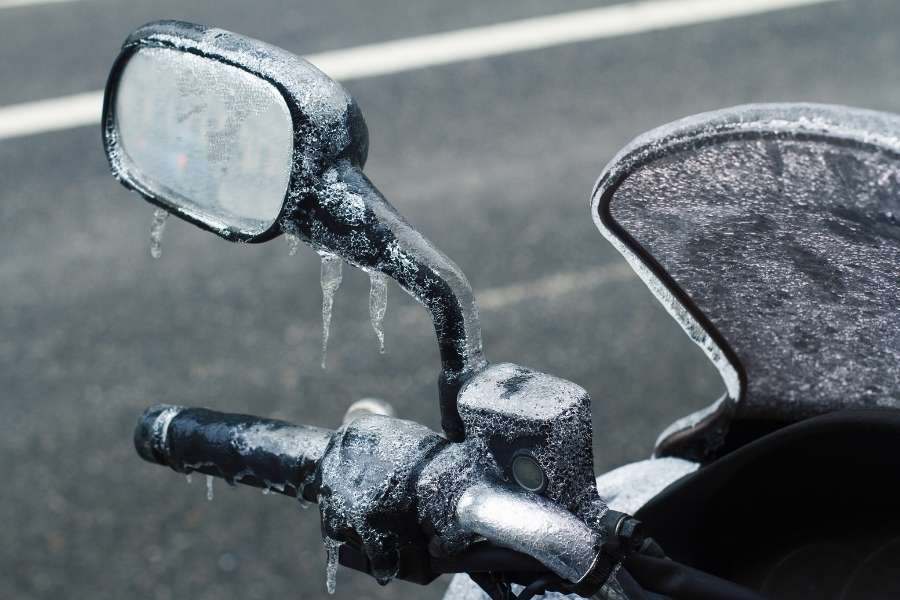
Riding with a foggy windshield is dangerous. Sun glares turn hazy plastic into a blinding screen. Clean motorcycle screens keep your eyes sharp on every single ride. Dirt, bugs, and sun rays constantly damage your front shield. You do not need to buy a brand new windshield. You can fix hazy plastic at home with basic tools.
Why Shields Get Foggy Over Time
Most shields use acrylic or polycarbonate plastic. Polycarbonate resists hard rocks and impacts well. However, soft plastic surfaces easily catch fine scratches. Acrylic offers brilliant light clarity for daily riding. Yet, acrylic cracks quickly under harsh chemical sprays. Both plastics degrade under strong daily sunlight exposure. Inspecting your motorcycle windshield regularly helps catch early wear.
Sun rays break down plastic chemical bonds slowly. This reaction creates yellow spots and hazy surfaces. Bad cleaning habits also ruin your front screen. Dry wiping with gas station paper towels cuts scratches. Dirt gets dragged across soft clear plastic surfaces. Thousands of micro scratches collect light and blind you.
Understanding your plastic type helps you choose safe solutions. Chemical spills need gentle washing methods first. Physical scratches need smooth polishing tools to disappear safely. Always inspect your shield material before applying any treatment.

Gear Required for Safe Plastic Care
Proper preparation saves soft optical plastic from damage. Never use old rags or bath towels. You need a clean microfibre cloth cleaning towel. Thick microfiber traps dirt without scratching soft shields. Gather warm water, mild soap, and foam pads. Use masking tape to cover nearby painted body panels. Modern eco-friendly options reflect sustainable automotive manufacturing processes that focus on cleaner materials.
Choose products made specifically for optical plastic shields. Car body polishes often contain aggressive cutting compounds. Hard abrasives melt optical plastic and ruin light transmission. Get an acrylic polish designed for clear visual surfaces. Keep a chemical cleaner safety approved soap nearby.
- Clean microfiber towels for washing and buffing
- A plastic safe scratch removal compound
- Fine acrylic polish for crystal clear finish
- Painter masking tape for protecting body paint
- Distilled water to stop mineral spots
- A protective water repellent treatment spray
Step by Step Guide to Cleaning Foggy Screens
Learning the best ways to clean foggy motorcycle screens safely takes simple patience. Soak a clean microfiber towel in warm water. Lay the wet towel over your windshield surface. Wait ten minutes for dried bugs to soak. Softened bugs slide off without scratching your clear plastic.
Rinse the screen gently with low water pressure. Wash soft plastic using light straight strokes only. Never rub dirty shields in small circular motions. Straight lines keep light reflection minimal while riding. Rinse away soap residue with clean pure water. Blot the wet plastic gently with microfiber towels.
Learning how to restore scratched motorcycle screens at home requires step-by-step polishing work. Put a tiny drop of acrylic polish on foam pads. Work the product into plastic using light pressure. Rub in straight overlapping paths across hazy areas. Wipe residue away with fresh microfiber towels. Apply a specialized scratch removal compound for deeper scuffs.
Expert Maintenance Tip: Avoid glass cleaners containing ammonia or alcohol. Household sprays strip plasticizers, causing tiny cracks called crazing.
Long Term Protection for Clear Plastic
Restoring plastic removes old factory UV barriers. Unprotected plastic turns yellow quickly under hot sunlight. Apply a liquid UV damage restoration sealant immediately. Sealants shield raw plastic from solar radiation damage. Reapply protection monthly to keep plastic tough and clear.
Raindrops blur vision during sudden storms. Apply a dedicated plastic water repellent treatment outside. Rain glides off your windshield under wind pressure. Slick coatings also stop road dirt from sticking. Cleaning bugs becomes fast after applying smooth repellents.
Inner condensation clouds your view on cold mornings. Cold outside air hits warm body heat inside. Spray an interior anti-fog coating on inside surfaces. Anti-fog coatings stop water droplets from forming mist. Keeping both sides clean protects your daily road sight.
Daily Maintenance Habits for Perfect Vision
Good care habits ensure optimal clear vision maintenance. Keep a small cleaner bottle in your bag. Clean fresh bug splatters right after every ride. Knowing steps for removing bug residue from motorcycle screens prevents deep surface etching.
Park your bike inside shaded areas whenever possible. Smart riders act early to prevent yellowing on clear motorcycle screens. Avoid parking near lawn sprinklers throwing hard water. Safe cleaning steps preserve your motorcycle screens for miles.
Frequently Asked Questions (FAQ)
Can I use regular car wax on my motorcycle windscreen?
Yes, pure carnauba wax without abrasives works safely. Wax fills tiny scratches and sheds rainwater easily. Dedicated plastic polishes still provide superior long-term clarity.
How do I know if my windshield is too damaged to restore?
Deep cracks through the plastic mean you need replacements. Spiderweb cracks inside the shield cannot be polished away. Surface haze and light scratches easily buff out.
Is toothpaste an effective homemade polish for foggy screens?
Toothpaste contains uneven abrasive particles that damage plastic. It leaves fine micro scratches that create night glare. Always use polishes designed specifically for clear plastic.
How often should I reapply protective anti-fog and UV treatments?
Reapply protective sprays every three to four weeks. Always apply fresh sealant after washing your bike with soap. Consistent protection keeps plastic clear and strong for years.
