

Plant-Based Protein gets a bad rap these days. Your gym buddy probably told you it’s « weak » compared to whey. Your nutritionist might have warned you about « incomplete » proteins. Even your grandmother thinks you need steak to stay strong.
But here’s the thing: most of what people believe about plant-based protein sources is complete nonsense. We’re talking decades of misinformation that’s been passed down like some kind of nutritional folklore. The actual science? It’s way more interesting than the myths.
I’ve spent years digging through research papers and talking to athletes who’ve ditched animal products entirely. What I found will probably surprise you. These protein myths aren’t just wrong, they’re holding back millions of people from discovering incredible foods that could transform their health.
Ready to find out what your body actually needs versus what the supplement industry wants you to believe?
Why the Whole « Complete Plant-Based Protein » Thing Is Overblown
Here’s where things get spicy. That famous « complete protein » obsession? It’s based on research from 1914. Yeah, you read that right. Over a century old. Back when people thought smoking was healthy and women couldn’t vote.
Your body doesn’t work like a vending machine where you need exact change for each amino acid. It’s more like having a savings account. You deposit different amino acids throughout the day, and your body withdraws what it needs when it needs it.
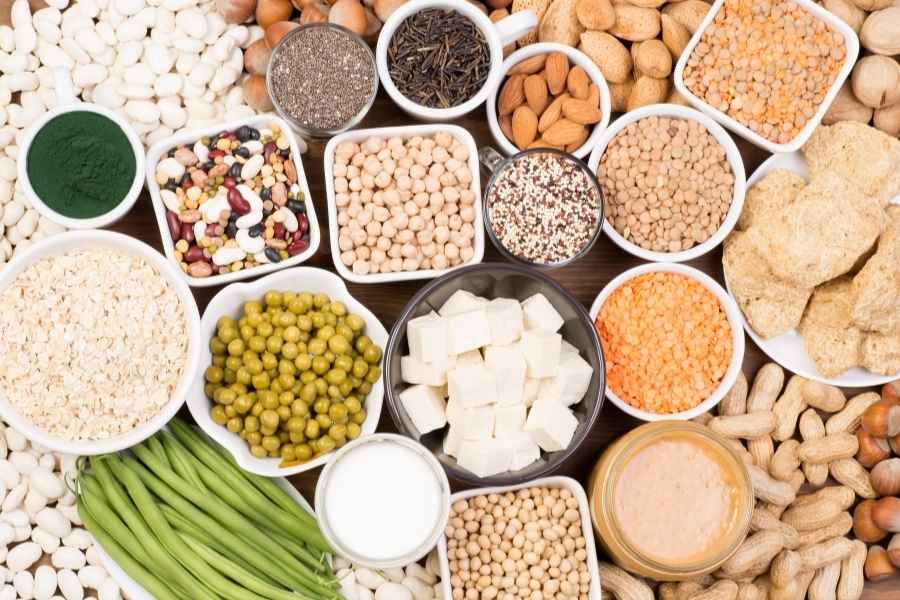
Complete proteins do exist in the plant world, and they’re not hiding in some exotic superfood that costs fifty bucks a pound. Quinoa has been feeding people for thousands of years. Hemp seeds pack more protein than most people realize. Even humble buckwheat delivers all nine essential amino acids.
But honestly? You don’t even need to stress about complete proteins if you’re eating a variety of foods. Your body is way smarter than diet culture gives it credit for.
High-Quality Plant Protein Sources That Actually Taste Good
Soy gets dragged through the mud constantly, which is bizarre when you look at the facts. Tofu, tempeh, and edamame are complete plant-based proteins that have sustained entire populations. Yet people freak out about soy while chugging protein shakes filled with artificial everything.
Lentils and rice together create a protein profile that would make a bodybuilder weep with joy. This combo has been fueling laborers, athletes, and families across cultures for millennia. No fancy supplements required.
Chickpeas deserve their moment too. Hummus isn’t just a delicious dip, it’s a protein powerhouse. Roasted chickpeas make incredible snacks. Chickpea flour opens up a whole world of high-protein baking possibilities.
The Muscle Building Fairy Tale That Won’t Die
Walk into any gym and someone will eventually lecture you about how plant-based protein for muscle building just doesn’t cut it. Meanwhile, vegan athletes are out there crushing world records and looking absolutely jacked.
The research is crystal clear: plant proteins build muscle just fine when you eat enough of them. The difference between plant and animal proteins for muscle growth? It’s smaller than the gap between your gym performance on Monday versus Friday.
Vegan athletes and bodybuilders aren’t unicorns anymore. They’re everywhere, and they’re not surviving on lettuce and good vibes. They’re strategic about their nutrition, just like any serious athlete should be.
Plant vs Animal Protein for Building Strength
Leucine is the amino acid that really gets muscle protein synthesis going. Some plant proteins have less leucine than animal proteins. Solution? Eat a bit more. Problem solved.
Plant-based protein powder has come so far that blind taste tests often favor plant options over dairy-based ones. Pea protein, hemp protein, rice protein blends can match whey in every meaningful way. Plus, they don’t make you feel like you swallowed a brick.
The digestibility question comes up a lot, but modern processing techniques have basically eliminated this concern. Fermentation, sprouting, and careful sourcing create plant protein supplements that your body handles beautifully.
The Bonus Nutrients Nobody Mentions About Plant-Based Protein Benefits
Animal proteins are basically one-trick ponies. They deliver amino acids and that’s about it. Plant-based protein foods come loaded with extras that make them nutritional overachievers.
Fiber alone changes everything. While that chicken breast gives you zero grams of fiber, a cup of lentils delivers 15 grams along with its protein payload. Your digestive system will thank you, your blood sugar will stabilize, and you’ll stay satisfied for hours.
Antioxidants in plant proteins fight inflammation while they’re building your muscles. Try finding that in a whey shake. These compounds work behind the scenes to keep your body running smoothly and recovering faster.
Plant-Based Protein Sources That Multitask Like Crazy
Hemp seeds throw healthy omega-3s into the protein mix. Almonds bring vitamin E and heart-healthy fats to the party. Lentils pack folate, iron, and potassium alongside their impressive protein content.
This is where high-protein plant foods really shine. Instead of needing separate supplements for different nutrients, you’re getting a complete package. It’s like buying a Swiss Army knife instead of individual tools.
The sustainable plant protein angle isn’t just feel-good marketing either. These choices actually make a measurable difference for the planet while supporting your personal health goals.
Why Digestibility Fears Are Mostly Hot Air
The digestibility argument against plant proteins sounds scientific until you dig deeper. Laboratory scores don’t always translate to real-world nutrition. Your digestive system is more adaptable than these simplified measurements suggest.
Traditional cultures figured out digestibility hacks centuries ago. Soaking beans overnight, fermenting grains, sprouting seeds. These methods break down compounds that interfere with protein absorption. Your ancestors weren’t nutritional scientists, but they knew what worked.
Slower digestion isn’t automatically worse digestion. Your muscles can use amino acids for hours after eating. This sustained release might actually be better for muscle protein synthesis than the rapid spike you get from animal proteins.
Making Plant Protein Absorption Work Better
Spreading your plant-based protein intake across meals helps your body process everything efficiently. No need for complicated timing schemes or mathematical formulas. Just eat protein-rich plants throughout the day.
Different plant proteins naturally complement each other when you eat variety. Beans with grains, nuts with seeds, vegetables with legumes. This happens automatically when you’re not obsessing over every single amino acid.
Cooking methods matter more than most people realize. Light steaming or sautéing can improve protein availability in many plant foods. Raw preparations work great for nuts and seeds. Mix up your cooking styles and you’ll naturally optimize absorption.
The Money Myth Around Plant-Based Protein
Whoever spread the rumor that plant-based protein costs more than animal protein has never done grocery shopping math. Dried beans cost pennies per serving compared to meat or fancy protein powders.
A pound of dried lentils provides more usable protein than most expensive cuts of meat. When you factor in preparation ease and shelf stability, plant proteins often win on convenience too.
Affordable plant protein options fill entire grocery store aisles. Peanut butter, canned beans, frozen edamame, bulk nuts and seeds. These aren’t specialty health food store items, they’re mainstream staples.
Getting Plant-Based Protein Without Breaking the Bank
Buy dried legumes in bulk and cook big batches. Freeze portions for quick meals later. This approach costs less than fast food and provides better nutrition than most restaurant meals.
Seasonal shopping makes plant proteins even cheaper. Summer brings affordable fresh vegetables that pack surprising protein amounts. Winter root vegetables and stored grains offer hearty, protein-rich comfort foods.
Plant-based protein recipes don’t require exotic ingredients or complicated techniques. Throw chickpeas in a curry, blend nuts into smoothies, toss hemp seeds on salads. Simple additions that boost protein without drama.
