


Street Photography throws you right into the thick of things. One minute you’re invisible, capturing raw moments as they happen. The next, someone’s yelling at you to delete their photo. Sound familiar? You’re dealing with one of photography’s trickiest puzzles: where does your right to shoot end and someone else’s privacy kick in?
The streets never lie. They show you humanity at its most authentic, unguarded, and real. But here’s the catch: every person walking past your lens has their own story, their own reasons for not wanting to end up on your memory card. Some days you’ll nail that perfect shot. Other days you’ll question whether you should’ve pressed the shutter at all.
Think of it this way. You’re not just taking pictures. You’re making split-second judgment calls about real people’s lives. That businessman checking his phone might be getting divorce papers. That kid playing in the fountain could have parents who freak out about strangers with cameras. Your artistic vision matters, sure, but so does basic human decency.
Legal Stuff That Actually Matters for Street Photography
Here’s what keeps lawyers happy and photographers out of trouble. In most places, if you can see it from a public street, you can probably photograph it. Sounds simple, right? Well, buckle up because it gets messy fast.
The public photography laws work like this: sidewalks, parks, and city squares are fair game. Private property? That’s a whole different beast. You might think that shopping mall is public because everyone walks through it, but legally it’s someone’s private space with their own rules.
Commercial versus editorial use trips up tons of photographers. Snap a photo for your Instagram or art show? Usually fine. Use that same shot to sell hamburgers without asking permission? Lawyer time. Documentary photography gets more protection than advertising work, but even that has limits depending on where you live.
Europe takes privacy way more seriously than America does. In Germany, you better think twice before shooting recognizable faces without permission. France has its own weird rules that change depending on who you’re photographing and why. Street photography consent isn’t just polite there, it’s often required by law.
Going Beyond What’s Legal in Street Photography
Just because you can doesn’t mean you should. That’s the golden rule every decent street photographer learns eventually. Legal rights and doing the right thing aren’t always the same conversation.
Picture this: homeless person sleeping rough, perfect light hitting their weathered face, compositionally gorgeous. Legally you might be fine shooting it. But what’s your story here? Are you showing society’s failures with compassion, or just turning someone’s worst day into your portfolio piece?
Ethical street photography means developing gut instincts about when to shoot and when to walk away. That crying person on the bench might make an incredible image, but maybe they deserve privacy more than you deserve the shot. These judgment calls separate thoughtful photographers from vultures with cameras.
Respectful street photography starts with seeing subjects as humans first, photo opportunities second. Read the room, read body language, read the situation. Sometimes the most powerful thing you can do is lower your camera and just witness a moment instead of capturing it.
The Consent Game in Street Photography
Asking permission kills spontaneity, but shooting without it can kill relationships. Welcome to photography’s biggest headache. There’s no perfect answer, just different approaches that work for different photographers and situations.
Implied consent happens at festivals, parades, tourist spots where cameras are everywhere. People expect to be photographed at Times Square. They don’t expect it at their kid’s school pickup. Context matters more than most photographers realize.
Some shooters swear by the ask-first approach. They chat people up, explain their project, build quick connections. Takes longer but often creates better images because subjects relax and trust the process. Express consent turns strangers into collaborators instead of targets.
Others prefer the retroactive consent method: shoot first, approach after. If someone objects, delete and apologize. Preserves spontaneity while still respecting boundaries. Works well when you’re quick and genuinely respectful about it.
The invisible photographer thing rarely works anymore. People notice cameras, especially big ones. Better to be obvious and friendly than sneaky and suspicious. Smile, wave, show you’re human too.
Street Photography in Tricky Spaces
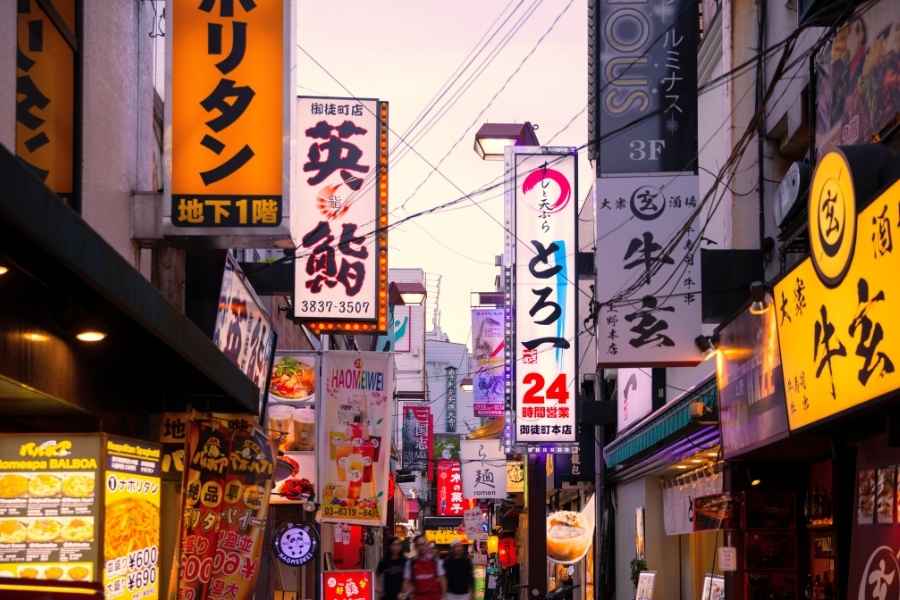
Malls feel public but aren’t. Train stations have their own rules. University campuses look open but have security watching. Modern cities blur the lines between public and private in ways that confuse everyone, including cops.
Private property photography rules can bite you when you least expect it. That cool underground shopping area? Private. That hip food court everyone hangs out in? Also private. Security guards have broad powers on private property, including demanding you delete photos or leave entirely.
Semi-public spaces like libraries, museums, and government buildings each have their own photo policies. Some welcome cameras, others ban them completely. A quick Google search or phone call saves headaches later. Nobody wants to argue with museum security about artistic freedom.
Transit systems are particularly weird about photography. Personal photos on the subway? Usually fine. Anything that looks commercial or professional? Might need permits. The definition of « commercial » keeps expanding too, sometimes including any photo you might eventually sell.
Kids and Street Photography: Handle With Care
Children change everything. Parents get protective faster than you can say « candid moment. » Even when you’re legally okay photographing kids in public, social rules are way stricter.
Photographing minors in public technically follows the same laws as adults, but good luck explaining that to an angry mom. Most experienced street photographers avoid kids unless they’re part of a bigger scene or unless parents clearly don’t mind.
The smart play? When kids appear in your shots, think hard about how you’ll use those images. Posting recognizable children on social media feels creepy to many people, even if it’s technically legal. Gallery walls are different from Instagram feeds in terms of how invasive they feel.
Some photographers make it policy to blur children’s faces or keep them unrecognizable in crowd scenes. Others avoid shooting kids entirely unless working on specific family-friendly projects with clear permissions.
Cultural Awareness in Street Photography
Every neighborhood has unwritten rules about cameras. Religious areas, ethnic communities, traditional ceremonies all have their own comfort levels with photography. Tourists with cameras can be welcome guests or unwanted intruders depending on how they approach things.
Cross-cultural street photography requires homework. What’s normal in New York might be offensive in New Delhi. Some cultures view cameras as intrusive or spiritually problematic. Others see them as compliments to their community.
Respectful cultural documentation means spending time without your camera first. Talk to people, understand their concerns, build trust. The best cultural photographers often put their cameras away for days or weeks before making their first images in a new community.
Think about impact too. Will your photos reinforce stereotypes or challenge them? Are you telling authentic stories or just confirming what viewers already think they know? These questions matter more when photographing marginalized communities.
Street Photography and the Business Side
Model releases for street photography separate editorial from commercial use. Magazine articles, news stories, and art shows usually don’t need releases. Advertisements and marketing materials almost always do.
The tricky part is that uses can change over time. That artistic portrait might start in a gallery but end up in a commercial context later. Having releases when possible gives you more options down the road.
Editorial use covers journalism, documentary work, and fine art. Commercial use means selling products or services. The line gets blurry with stock photography, where agencies often want releases even for clearly public situations.
Street photography licensing gets complicated fast when money enters the picture. Stock sites have different rules than art galleries. Knowing the business side protects your work and your subjects’ rights.
When Things Go Wrong in Street Photography
Confrontations happen to everyone eventually. Angry subjects, overzealous security guards, confused cops all come with the territory. How you handle these situations matters for you and for every street photographer who comes after you.
De-escalating photography conflicts starts with staying calm when others get heated. People have legitimate reasons for disliking cameras: bad past experiences, privacy concerns, cultural issues. Don’t take it personally.
Listen first, explain second. Most people just want to understand what you’re doing and why. Having a simple, honest explanation ready helps tons. « I’m documenting neighborhood life for a local art project » works better than technical discussions about photography rights.
Know your rights but don’t lead with them. Starting conversations with « I can legally photograph here » turns discussions into arguments. Lead with empathy, fall back on rights only when necessary.
Building Your Own Street Photography Ethics
Every photographer needs personal guidelines for tough decisions. What subjects will you avoid? When will you ask permission? How will you handle deletion requests? Figure this stuff out before you need it.
Responsible street photography means ongoing learning and self-reflection. Join photographer groups, attend workshops, read about ethics. The community gets stronger when everyone commits to higher standards.
Review your own work regularly. Do old photos still match your current values? Have you grown as both photographer and person? This self-assessment keeps you honest about your own evolution.
Document your thinking process too. Why did you make certain choices? What would you do differently? These notes help you stay consistent and keep improving your ethical decision-making.
Street photography keeps evolving as technology, society, and laws change. Staying current helps you adapt while maintaining your standards. The goal isn’t just great photos. It’s great photos that honor the people who make them possible.
Your camera gives you power to show the world stories it might not otherwise see. Use that power thoughtfully. Respect the humans in your viewfinder. Tell authentic stories that matter. When you get it right, street photography builds bridges between different communities and experiences. That’s worth the effort it takes to get the ethics right too.
