


The street sidewalk is the new runway. The lines separating urban style from elite luxury brands are completely gone today. Underground fashion has crashed directly into traditional design. This creates a fresh, exciting look. It leaves everyone asking about this huge change. What happens when raw subculture meets historic design?
The link between grassroots style and luxury houses is stronger than ever. It is now the most profitable mix in retail history. We can look closely at both worlds. This helps us see how they shape our daily clothes.
Streetwear vs High Fashion Differences Explained
To understand this mix, we must look at where they started. Classic fashion uses a strict top-down model. Elite designers dictate what people wear months in advance. The alternative scene is a bottom-up movement. It grew directly from skateboarding, hip-hop, and surf culture. This origin shapes their whole philosophy. Visual presentation matters here too, just like avoiding makeup mistakes that are aging your face when curating a fresh, youthful appearance.
Exclusivity also highlights a major divide between these two design worlds. Classic luxury houses maintain rarity through high prices. They use limited production and closed networks. The contemporary scene uses the digital drop model instead. They release small quantities directly to consumers. This creates intense demand on secondary markets. One relies on money. The other relies on quick insider knowledge.
A market report by Bain and Company shows a huge demographic shift. Younger buyers now make up over 40% of luxury purchases.
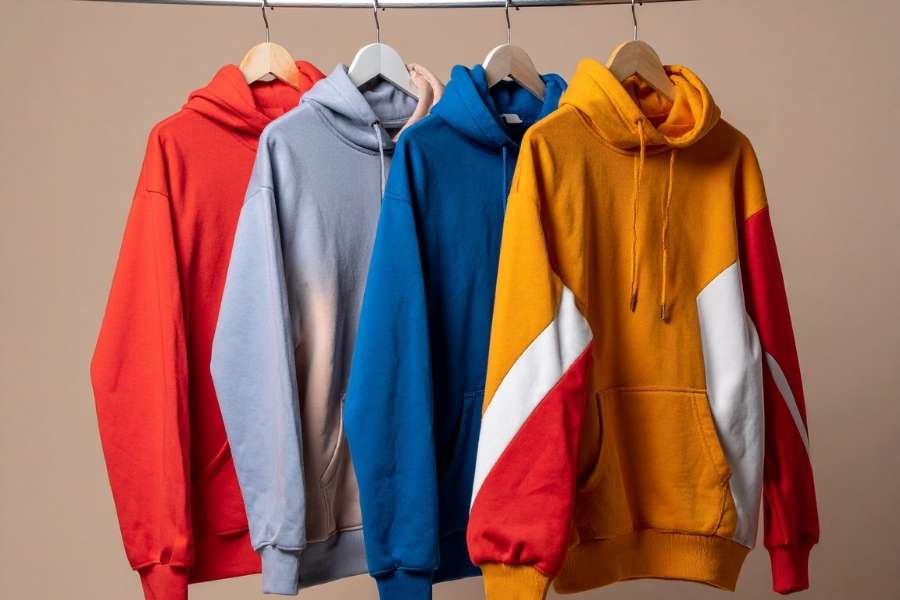
The actual construction of the garments reveals completely different production priorities. High-end design focuses on bespoke tailoring. It uses delicate fabrics like silk and cashmere. These items are for formal settings. Casual brands focus on heavy-gauge cotton and total utility. They change everyday items like hoodies into true status symbols. Let us break down these core pillars.
Understanding the Structural Divide
| Feature | Streetwear | High Fashion |
| Primary Origin | Youth subcultures, skate, hip-hop | Elite design ateliers, heritage |
| Exclusivity Metric | Digital drops, rapid sell-outs | High retail pricing, couture status |
| Core Garments | Graphic tees, sneakers, hoodies | Tailored suits, evening gowns |
| Production Speed | Fast-paced, reactive capsule releases | Seasonal calendars, slow craftsmanship |
As the industry changes, these categories blur even more. They create a hybrid space. Here, comfort and luxury live together. This intersection redefines how we view garment value today. It changes how we dress for our daily lives.
The Evolution of Streetwear into High Fashion
The journey to international runways did not happen overnight. During the late twentieth century, unique labels laid the groundwork. Brands like Stüssy and Supreme treated casual apparel with deep respect. They proved a basic tee holds social capital. It just needs a real subculture behind it. The fashion establishment took notice. They realized they needed this youthful energy to survive. Maintaining true fashion brand authenticity in the digital age became the main challenge for these corporations.
The big turning point arrived in the late 2010s. Luxury houses began hiring underground designers for creative direction. The Supreme and Louis Vuitton collab in 2017 broke the remaining walls. Designers like Virgil Abloh joined historic French houses. They brought an entirely new language. This shift permanently altered global fashion history.
The Modern Industry Paradigm
| Era | Key Defining Characteristic | Cultural Impact |
| 1980s – 1990s | Grassroots Foundations | Skate and hip-hop communities create independent labels. |
| 2000s – 2010s | The Sportswear Boom | Premium sneakers enter mainstream lifestyle markets. |
| 2017 – Present | Total Luxury Integration | Heritage brands adopt casual pieces and drop models. |
This structural shift changed how luxury brands view their products. Heavy hoodies and graphic sneakers are now top priority. They replaced tailored jackets as main revenue drivers worldwide. They dominate current runway trends.
Key Elements of Modern Urban Fashion
The identity of today’s contemporary style relies on a unique mix. It combines utility, graphic communication, and loose proportions. Comfort is no longer the enemy of style. It is the very foundation of dressing well. Oversized fits and dropped shoulders let people move freely. They can navigate dense city environments easily. This focus on utility makes casual clothes perfect for self-expression.
Another critical component is the intentional use of branding. Bold logos and prints turn simple items into social badges. They signal your cultural alignment instantly. Footwear also plays an essential role. Premium sneakers act as the ultimate anchor for any outfit. To build a balanced look, you must master specific clothing aesthetics.
- Proportion Alteration: Pairing baggy cargo trousers with structured outerwear.
- Textural Contrast: Mixing raw heavy cotton with refined technical nylon.
- Graphic Balance: Using one bold graphic statement piece with clean items.
By focusing on these core elements, anyone can navigate modern menswear. You can handle womenswear with total confidence too. The real magic lies in blending these contrasting elements. It creates a strong personal statement.
How to Incorporate Streetwear into a Luxury Wardrobe
Blending casual garments with luxury requires a careful balance. You must balance proportions, textures, and styles. The easiest way is high-low dressing. This means pairing relaxed basics with sharp luxury pieces. For example, wear a heavy cotton hoodie. Place it underneath a tailored wool overcoat. This combination creates an immediate visual contrast. It feels modern, sophisticated, and effortless.
Another great approach is swapping your shoes. Trade traditional formal footwear for clean luxury leather sneakers. Do this while wearing classic suits. This small adjustment instantly updates a formal outfit. It makes it feel approachable. It fits perfectly in contemporary settings.
The goal is making casual pieces look intentional. They should never look sloppy or accidental. Focus on premium materials. Keep items in pristine condition. Ensure you have an immaculate fit. This elevates everyday sportswear into high-end fashion. It shows you understand key elements of modern urban fashion.
FAQ
What originally triggered the merger between urban style and luxury brands?
The merger was driven by a generational shift in consumers. Younger buyers gained massive purchasing power. They demanded garments that reflected their active lifestyles. They wanted comfort and subcultural roots. Heritage brands had to adapt to survive.
Can casual items like hoodies actually be considered high fashion today?
Yes, casual staples are fully embraced by elite ateliers. They use ultra-premium materials like cashmere or organic cotton. They apply advanced tailoring techniques. These items feature prominently in autumn and winter runway trends.
How do production cycles differ between independent subculture labels and heritage houses?
Independent labels use spontaneous digital drops. They release small-batch capsules to create scarcity and hype. Traditional heritage houses stick to the classic seasonal calendar. However, many now supplement this with rapid co-branded pop-ups.
What is the best way to start experimenting with contemporary style blending?
Start by investing in high-quality, unbranded casual basics. Buy boxy t-shirts or heavy sweatshirts. Layer these pieces beneath structured luxury outerwear. Good choices include sharp blazers, leather jackets, or formal trench coats. This creates a balanced look.
The old fashion rules do not apply anymore. You might wait in a digital queue for a sneaker drop. You might save up for a historic French luxury piece. The power is entirely yours. You do not have to choose between the street and the runway. You can easily wear both at the same time.
