

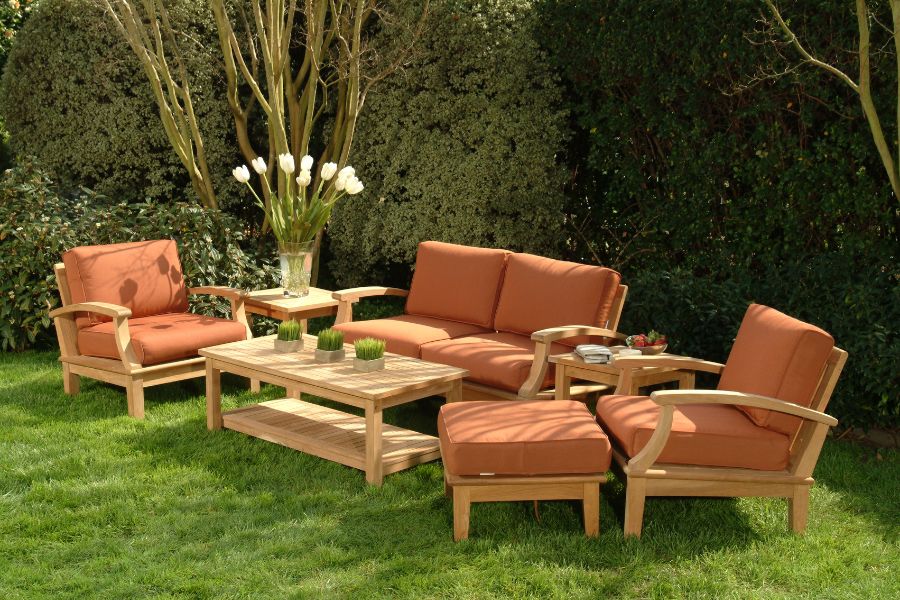
Imagine spending your entire weekend sanding down a gorgeous wooden patio table. You breathe in fresh sawdust and dream of warm summer dinners. You step back, admire your handiwork, and realize something vital. Without proper defense, your new creation stands zero chance against pouring rain and harsh UV rays. Choosing the correct treatment feels a bit like picking the right jacket for an unpredictable mountain hike. You want something breathable and tough enough to handle the elements without losing its natural charm. What is the real secret behind keeping your backyard seating looking brand new year after year? It all starts with understanding how different sealants interact with the natural grain of your timber.
Understanding the Elements Your Wood Faces Every Single Day
Mother Nature tests our favorite backyard investments every single day. When you leave timber exposed to open air, it undergoes a constant cycle of expansion and contraction. Rainwater sneaks into microscopic pores, swelling the fibers and inviting mold. Meanwhile, harsh sunlight breaks down surface lignin and fades rich golden hues into dull gray. If you live in a coastal area, salty air adds another layer of destruction. This is precisely why investing in Outdoor Garden Furniture requires much more than grabbing the cheapest tin off the store shelf. You need to evaluate your local climate, timber species, and how much maintenance you are willing to commit to down the road. Protecting your wooden structures demands precision, much like when you learn carpentry details and architectural framing skills to ensure long-lasting structural integrity across your entire property.
Rainwater and UV rays test timber constantly. When moisture penetrates untreated timber, it triggers rot and decay from the inside out. Protecting your investment means creating an active barrier against moisture.
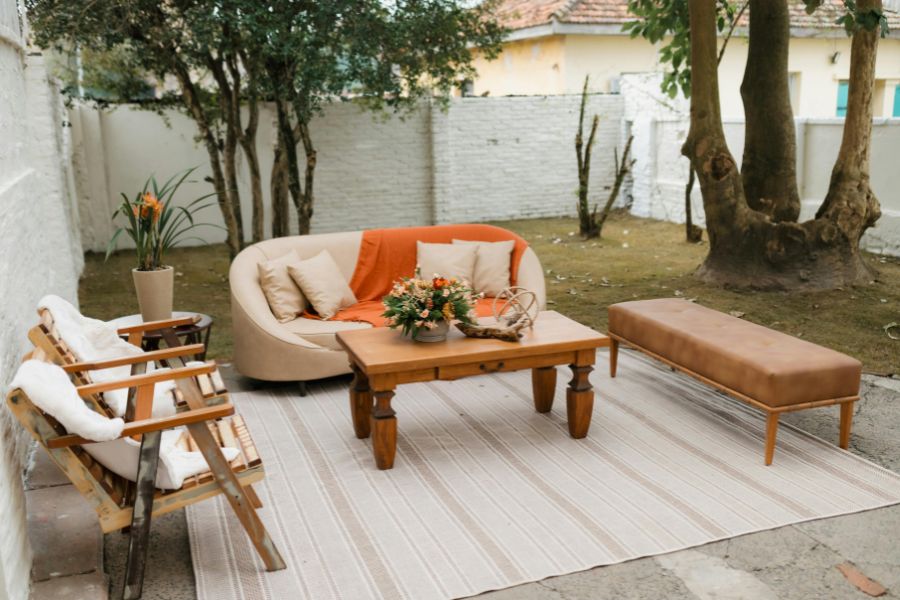
Exploring the Best Protective Coatings and Oils Available Today
Navigating hardware store aisles can feel overwhelming with all the technical jargon on labels. Different formulas serve entirely different purposes depending on your aesthetic goals.
Natural Oils Versus Film Forming Finishes
Penetrating treatments soak deep into the grain to nourish timber from within rather than just sitting on top. Applying teak oil brings out warm tones of dense hardwoods like acacia and eucalyptus without creating a peelable surface film. On the flip side, if you want maximum defense against moisture, an exterior varnish creates a rigid shell that locks out liquid completely. For furniture placed in sun-drenched backyards, ensuring robust UV protection prevents the sun from bleaching out your hard work within a single season. Similarly, selecting a formula equipped with strong water repellent properties ensures that rainwater beads right off the surface instead of soaking deep into structural fibers. When extreme weather demands industrial-strength durability, many DIY enthusiasts turn to marine grade sealants originally engineered to withstand relentless saltwater exposure.
Tackling Common Environmental Challenges
Battling humidity means keeping microscopic spores at bay, which makes reliable mildew resistance an absolute must-have for shaded patios and damp garden corners. Before opening any tin of sealant, meticulous sanding preparation guarantees that your chosen product actually adheres properly to the timber instead of flaking off after a storm. Achieving a professional defense almost always relies on a patient, multi coat application process that builds up protection layer by layer. Mastering how to choose the right wood finish for outdoor garden furniture transforms a frustrating yearly chore into a simple, rewarding maintenance routine that preserves your favorite relaxation spots. Just as homeowners must carefully detect hidden household issues and repair interior damage before minor leaks escalate into major structural disasters, treating your garden timber requires early intervention and diligent inspection.
Patience during surface preparation prevents premature peeling. Layering protective coats ensures deep, lasting defense.
Mastering Application Techniques for Maximum Durability
Even the most expensive sealant will fail if it is slapped onto a dirty, damp surface. Proper application begins with a thorough cleaning using a specialized wood cleaner, followed by a drying period where moisture drops below fifteen percent. When hunting for the best weather resistant sealants for wooden benches, look for products that explicitly combine penetrating oils with synthetic resins. Homeowners trying protecting cedar outdoor furniture from rain and sun often discover that softer conifers require lighter, more frequent coats compared to oily tropical hardwoods. If you decide to go the ultra-glossy route, learning how to apply marine grade varnish properly involves working in thin, dust-free environments and lightly sanding between coats to create an unbreakable bond.
Frequently Asked Questions
How often should I reapply finish to my wooden patio pieces?
Most standard oils need a fresh top-up once a year, while film-forming varnishes can last anywhere from two to three years depending on sun exposure.
Can I apply a new coat of sealant directly over an old weathered layer?
No, you must clean, lightly sand, and remove any flaking debris to ensure the fresh product penetrates or adheres correctly.
Do all timber species require the exact same type of protective treatment?
Not at all. Oily dense woods like teak handle natural oils wonderfully, whereas softer pines and cedars usually benefit from specialized exterior primers and sealants.
