


Clean Beauty got trendy fast, but walking down that skincare aisle feels like navigating a minefield of fancy words and empty promises. You see bottles screaming « toxin-free » and wonder if your current moisturizer is slowly poisoning you. Here’s the thing: most clean beauty products aren’t automatically better just because they slapped a green label on them.
The beauty industry loves confusing you with science-y sounding nonsense. Ever seen a product bragging about being « chemical-free »? That’s impossible. Water is a chemical. Your morning coffee? Packed with chemicals. What you really want are clean beauty ingredients that actually do something useful for your skin instead of just making your wallet lighter.
Smart clean beauty isn’t about avoiding every ingredient with more than three syllables. It’s about choosing stuff that works without causing drama. The best clean beauty ingredients play nice with your skin instead of picking fights with it. They get results you can see, not just results that sound good in marketing copy.
What Clean Beauty Actually Means (Spoiler: It’s Complicated)
Nobody regulates what « clean » means in beauty, so brands basically make it up as they go. Some say clean beauty means no sulfates or parabens. Others focus on eco-friendly beauty ingredients and fair trade sourcing. The smartest brands do both, but good luck figuring out which ones actually mean it.
Real clean beauty ingredients have a few things going for them. Scientists have studied them enough to know they’re safe and effective. They work with your skin instead of bulldozing through it. Most importantly, they actually improve how your skin looks and feels instead of just making you feel virtuous about your shopping choices.
The tricky part? Separating ingredients that sound clean from ones that genuinely work. Natural skincare ingredients like essential oils seem harmless until they give you a rash or make your skin photosensitive. Meanwhile, some lab-made ingredients are gentler than anything Mother Nature cooked up.
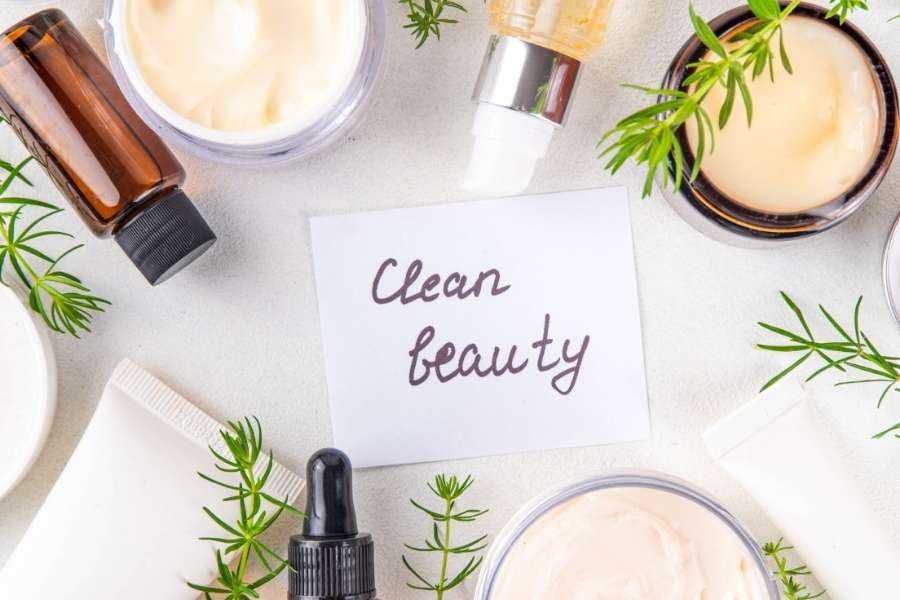
Clean Beauty Actives That Actually Do Something
Vitamin C tops every dermatologist’s list for good reason. This powerhouse doesn’t just brighten your face; it helps build collagen and fights off environmental nastiness. Vitamin C serums with L-ascorbic acid pack the biggest punch, though magnesium ascorbyl phosphate won’t irritate sensitive skin as much.
Clean retinol alternatives changed everything for people who want anti-aging benefits without the peeling and redness. Bakuchiol comes from the babchi plant and mimics retinol’s effects without making your skin angry. Studies prove it improves elasticity and smooths fine lines after three months. Rosehip seed oil contains natural retinoids plus essential fatty acids, perfect for anyone wanting gentler clean beauty options.
Niacinamide (vitamin B3) deserves way more credit than it gets. This multitasker controls oil, shrinks pores, and strengthens your skin’s natural defense system. Unlike other actives that make your skin worse before it gets better, niacinamide usually shows results within a month without any dramatic adjustment period.
Peptides represent where clean beauty science gets really exciting. These tiny protein fragments tell your skin to make more collagen and elastin. Copper peptides also help wounds heal faster, while palmitoyl pentapeptide-4 specifically targets those annoying lines around your eyes and mouth.
Plant-Based Winners in Clean Beauty
Plants offer some seriously effective botanical skincare ingredients if you know which ones to pick. Hyaluronic acid sounds synthetic but exists naturally in your body and comes from plant sources. This moisture magnet holds 1,000 times its weight in water, which explains why it makes your skin look so plump.
Green tea extract fights free radicals while calming angry, inflamed skin. Its polyphenols protect against damage and help with conditions like rosacea and acne. Chamomile extract does similar things but more gently, making it perfect for people whose skin freaks out easily.
Sea buckthorn oil contains crazy high levels of vitamin C plus omega fatty acids that repair your skin barrier. Yes, this bright orange oil might temporarily stain your pillowcase, but its healing powers make it worth the laundry risk for anyone dealing with scars or dark spots.
Don’t sleep on ceramides, the lipid molecules that keep your skin barrier intact. While labs can make them, plant-derived versions from wheat germ and rice bran offer the same barrier-fixing benefits with a cleaner reputation.
How Clean Beauty Stays Fresh Without Scary Preservatives
Keeping clean beauty formulations safe and effective without controversial preservatives is like solving a really complex puzzle. Traditional preservatives like parabens fell out of favor, forcing brands to get creative with alternatives that actually work.
Leuconostoc radish root ferment filtrate sounds weird but it’s revolutionary in natural preservation. This fermentation byproduct stops bacteria and fungi from growing while being gentle on your skin. Sodium levulinate and sodium anisate, made from corn and fennel, create an environment where harmful microorganisms can’t survive.
Rosemary extract and vitamin E team up as antioxidant preservatives, stopping oils from going rancid. They can’t replace antimicrobial preservatives completely, but they naturally extend shelf life. Grapefruit seed extract adds antimicrobial properties, though formulators need to be careful not to make it irritating.
Effective clean preservation systems usually combine multiple approaches. This might mean adjusting pH levels, reducing water activity, and carefully selecting antimicrobial ingredients that work together to keep products stable and safe.
Clean Beauty Solutions for Your Specific Skin Drama
Acne-prone skin needs clean beauty treatments that calm inflammation without turning your face into the Sahara Desert. Willow bark extract contains natural salicylic acid that gently unclogs pores. Tea tree oil, when diluted properly, kills acne bacteria without the harsh drying effects of benzoyl peroxide.
Zinc oxide pulls double duty as both an acne fighter and sun protector. This mineral ingredient reduces inflammation while creating a physical shield against UV rays. Azelaic acid, derived from grains like wheat and barley, kills acne bacteria and helps fade those dark marks that stick around after breakouts.
For anti-aging clean beauty routines, alpha hydroxy acids from natural sources provide gentle skin renewal. Lactic acid from fermented sugar offers the mildest exfoliation, while glycolic acid from sugar cane delivers more dramatic results. Mandelic acid, derived from bitter almonds, works well for sensitive types because its molecules are too big to penetrate deeply.
Dark spots respond well to clean brightening ingredients like kojic acid from fermented rice, arbutin from bearberry plants, and licorice root extract. These ingredients slow down melanin production more gently than hydroquinone while providing bonus skin benefits.
Why Sustainable Sourcing Matters in Clean Beauty
The environmental impact of clean beauty ingredients goes way beyond how they affect your complexion. Sustainably sourced ingredients ensure your skincare routine doesn’t contribute to deforestation, over-harvesting, or exploiting farming communities.
Fair trade beauty ingredients like shea butter and argan oil provide real economic benefits to the people who harvest them. These ingredients often undergo less processing, keeping more beneficial compounds intact while supporting traditional extraction methods that have worked for generations.
Upcycled beauty ingredients represent an exciting trend in sustainable clean beauty. Grape seed oil from wine production waste offers powerful antioxidants, while coffee fruit extract from discarded coffee cherry husks provides caffeine and polyphenols for energizing eye creams.
