


Modular Construction sounds like a dream come true until reality hits. You’ve got modules rolling off factory floors, looking perfect under controlled conditions. But then they hit the real world, and suddenly your « revolutionary building method » becomes a logistical headache.
Picture this: your modules are like expensive LEGO blocks made by different factories. Each piece looks great on its own, but when you try putting them together? That’s when the fun begins. A quarter-inch gap here, a misaligned connection there, and before you know it, your project timeline is toast.
The modular construction industry is booming, growing faster than anyone predicted. But here’s what the sales brochures don’t tell you: quality control in modular construction is a whole different beast. Traditional construction lets you fix things as you go. With modules, you’re often stuck with what arrives on the truck.
Why Your Old Quality Control Playbook Won’t Work
Modular Construction breaks all the traditional rules. Your beautiful modules start life in climate-controlled factories where everything is measured to perfection. Then they get loaded onto trucks, bounced down highways, lifted by cranes, and somehow expected to fit together like they never left the factory floor.
Factory workers nail every specification while building your modules. But nobody accounts for what happens when those modules meet the real world. Foundation settlements, temperature swings, and good old-fashioned Murphy’s Law can turn precision manufacturing into a contractor’s nightmare.
Local inspectors walk onto modular construction sites with traditional checklists in hand. They’re looking for problems they understand, not the weird stuff that happens when factory-built components play by different rules. Modular building inspection challenges pile up because the inspection game changed, but nobody updated the rulebook.
Off-site construction quality standards work great until modules leave the controlled environment. That’s when you discover that factory-perfect doesn’t always translate to job-site-functional.
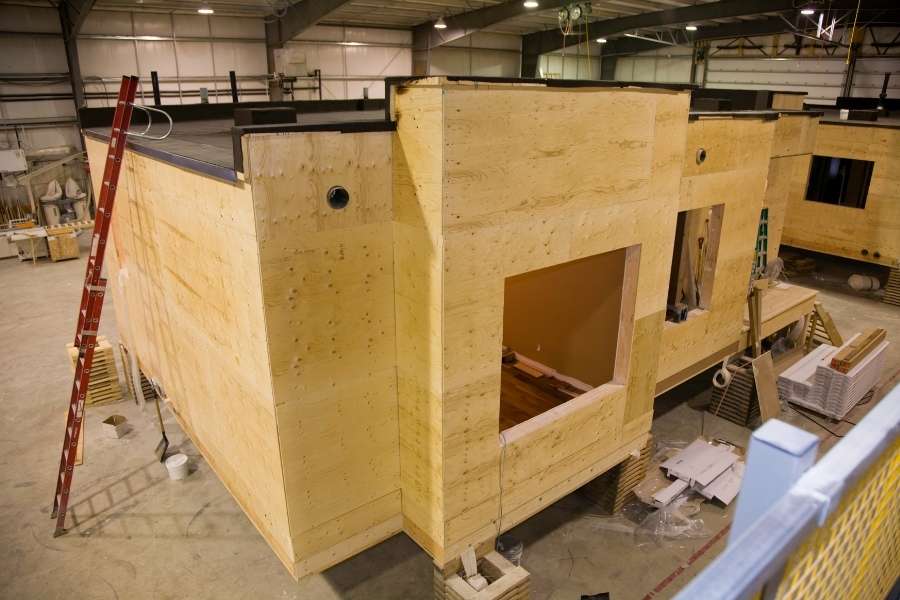
The Problems That Actually Show Up on Job Sites
Dimensional tolerance problems in modular construction drive project managers to drink. Half an inch sounds like nothing until that half-inch means your modules won’t line up. Now you’re looking at expensive field modifications on components that were supposed to arrive « installation-ready. »
Your modules might fit together perfectly in the factory mock-up. But after a cross-country truck ride and some enthusiastic crane work? Modular construction joint failures become your new reality. Gaps appear where perfect seals should be. Connections loosen up. Weather gets in where it shouldn’t.
Nobody talks about moisture control in prefab buildings until mold starts growing in places you can’t reach. Modules can trap moisture during manufacturing, shipping, or storage. Unlike stick-built construction where wet materials can dry naturally, sealed modules keep their moisture problems locked inside.
Electrical and plumbing integration issues multiply when systems need to connect between modules. Miss the alignment by just a little bit, and you’re looking at exposed connections, code violations, and expensive do-overs. Good luck accessing those connections once everything’s buttoned up.
Where Quality Control Actually Matters
Factory quality assurance for modular buildings starts way before anyone picks up a hammer. You need checkpoints everywhere: incoming materials, fabrication stages, subassembly completion, final inspection. Each step needs to verify that components can survive the journey ahead, not just meet paper specifications.
Modular construction tolerance management gets tricky because small variations add up. Individual parts might be perfect, but when you stack up all those tiny variations, modules don’t fit together anymore. Smart manufacturers build in wiggle room and adjustment features that account for real-world imperfections.
Transportation quality control for modular units often gets forgotten until damaged modules show up on-site. Modules need to be secured properly, routes need to be surveyed for clearance issues, and arrival inspections need to catch problems before cranes start swinging.
On-site assembly quality verification is your last chance to catch problems before they become permanent. Visual inspections don’t cut it anymore. You need testing that verifies connections actually work, seals actually seal, and systems actually function.
Technology That Actually Helps
Digital quality tracking systems for modular construction use QR codes and mobile apps to keep quality data moving with each module. No more lost paperwork or missing inspection reports. Everything stays connected from factory floor to final installation.
Predictive quality analytics in prefab construction spots problems before they happen. By watching patterns in manufacturing data and field results, these systems flag modules that might cause trouble and suggest fixes before modules leave the factory.
Automated inspection technologies for modular buildings take human error out of quality control. Laser scanners catch dimensional problems that tape measures might miss. Thermal cameras spot insulation gaps that visual inspections can’t see. Automated testing runs system checks without relying on someone having a good day.
Blockchain technology in modular construction quality creates permanent records that nobody can mess with. Every inspection, every test, every change gets locked into a distributed ledger that settles disputes and supports warranty claims.
The Regulatory Maze You Didn’t Sign Up For
Building code compliance for modular construction means juggling multiple jurisdictions that don’t always play nice together. Your modules need to meet factory location codes, shipping route requirements, and destination jurisdiction standards. Often you end up designing to the strictest requirements just to cover all bases.
Third-party inspection requirements for prefab buildings vary wildly between locations. Some places want inspectors in the factory every day. Others are happy with periodic audits or manufacturer certifications. Figure this out early or watch your schedule implode.
Fire safety standards in modular construction assume inspectors can see concealed spaces during construction. When fire-rated assemblies get completed in the factory, local inspectors might demand destructive testing or extra documentation that adds time and money to your project.
Money Talks: The Real Cost of Quality
Quality cost optimization in modular projects comes down to this: pay now or pay a lot more later. Comprehensive quality control costs money upfront, but fixing problems after installation costs ten times more. Smart money invests in prevention.
Return on investment for modular quality systems shows up in the numbers. Projects with solid quality management see 60% fewer defects, 40% faster assembly, and 80% fewer warranty claims. That translates directly to better profits and happier clients.
Insurance considerations for modular construction quality are changing as insurers get smarter about risk assessment. Good quality systems can lower your premiums, while poor quality control might get you excluded from coverage or hit with higher rates.
What’s Coming Next
Artificial intelligence applications in modular quality control are getting scary good at spotting problems humans miss. Machine learning algorithms analyze production data to catch subtle patterns, while computer vision systems perform real-time quality assessments faster and more accurately than human inspectors.
Smart sensors for modular building monitoring promise continuous quality tracking throughout the building’s life. These sensors watch structural performance, environmental conditions, and system operations, providing early warning of problems and documenting performance for warranty and maintenance purposes.
Collaborative quality platforms for modular construction connect everyone in the supply chain through shared data systems. Manufacturers get feedback from field performance, contractors get advance warning of potential issues, and building owners get better documentation of their asset performance.
Building Quality Into Your Team
Training programs for modular construction quality need to address the unique challenges of factory production, transportation logistics, and field assembly. Your people need to understand how their decisions affect everyone downstream in the process.
Performance metrics for modular quality management should focus on leading indicators that predict problems rather than lagging indicators that only show problems after they’ve happened. Track dimensional variance trends, transportation damage rates, and assembly time variations to catch issues early.
Continuous improvement processes in modular construction take advantage of the repetitive nature of factory production. Unlike traditional construction where every project is different, modular construction lets you implement improvements that benefit all future projects.
