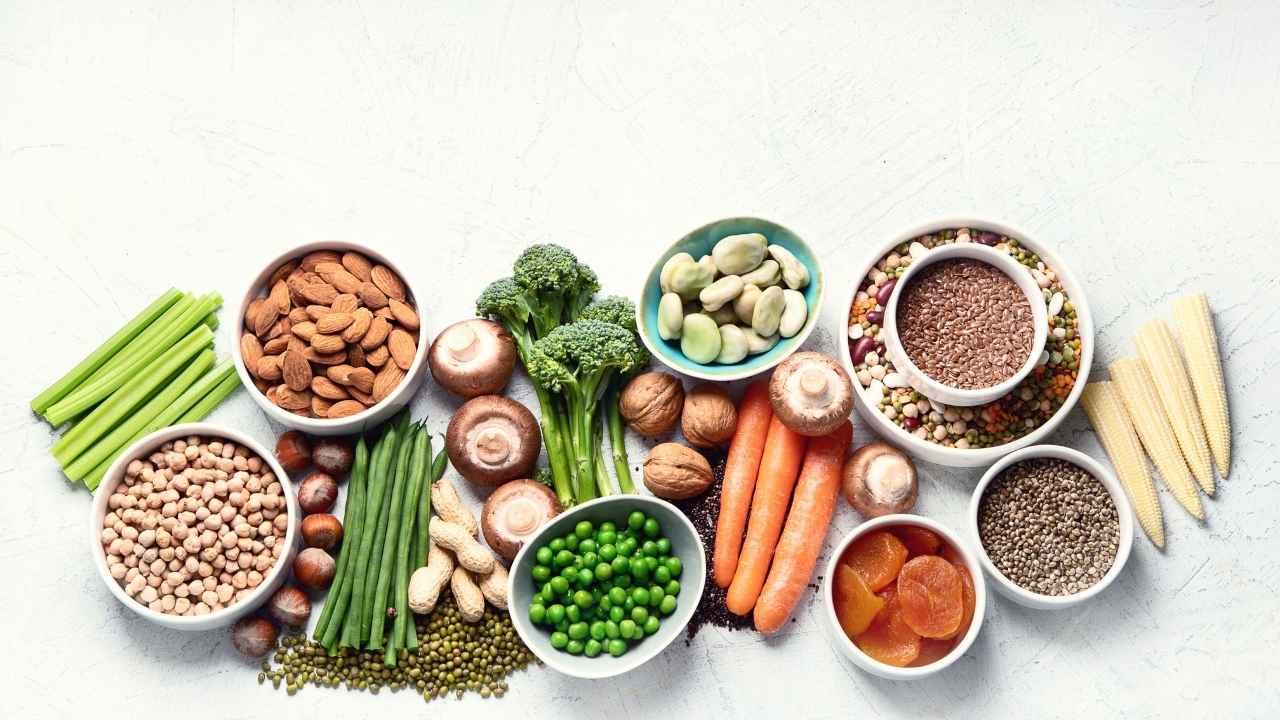
Ever stood in the grocery aisle, holding a bag of lentils? You might wonder if these little guys could actually replace your usual chicken dinner. You’re definitely not the first person to have this moment of doubt. Tons of folks are figuring out that getting solid nutrition from plants isn’t some impossible puzzle. It just takes knowing a few tricks. Forget everything you’ve heard about needing meat for « real » protein. Today’s plant-based protein sources pack everything your body wants. This includes those complete amino acid profiles that gym rats won’t stop talking about. Whether you’ve been plant-based for years, you’re testing the waters, or you just want to shake up your usual meals, this guide will help. Learning how to build complete proteins from plants will totally change how you think about food.
Think of amino acids like puzzle pieces. They click together to build the proteins your muscles, organs, and immune system run on. Your body makes some of these pieces on its own. But nine essential ones have to come from what you eat. Good news? Plants have your back in ways that’ll probably shock you.
Why Everyone’s Going Crazy for Plant-Based Protein Sources
The whole protein game has flipped upside down lately. What used to be this weird niche thing has blown up everywhere. Honestly, it makes total sense when you see all the benefits.
Plant-based protein sources are having their moment. They knock out multiple goals at once. Lots of people are thinking about the planet these days. Getting protein from veggies, beans, and grains uses way less water and land than raising animals. We’re talking about lentils using 90% less water than beef for the same amount of protein.
But here’s what really matters to you. Does this stuff actually work for your health and energy? Research keeps showing that smart plant-based eating gives you all the amino acids you need. The World Health Organization and major nutrition groups now say something important. Plant-based protein sources can totally handle protein needs for everyone. This applies no matter your age or how active you are.
Your body honestly doesn’t care if amino acids come from a cow or a chickpea. It just wants the right mix and enough of these building blocks. Plants just need a little more thought. You need to make sure you’re covering all your bases with those nine essential amino acids.
The Real Deal on Complete vs Incomplete Plant Proteins
This is where things get interesting. This is also where way too many people stress out about plant-based protein sources for no good reason. Those terms « complete » and « incomplete » proteins have scared more people than they should.
A complete protein has all nine essential amino acids. They need to be in the amounts your body likes best. Most animal stuff naturally comes this way. This is why people used to think meat was the only way to go. But here’s the thing. Plenty of plant-based protein sources are complete proteins too. This totally breaks that old-school thinking.
Incomplete proteins are missing one or more essential amino acids. Or they don’t have quite enough of certain ones. But incomplete doesn’t mean useless. Your body keeps an amino acid stash all day long. It pulls from different protein sources to build whatever it needs whenever it needs it.
That old idea about having to mix proteins in every single meal? Yeah, that’s been proven wrong. Your body is way smarter than that. It manages amino acids over a whole day. As long as you’re eating different plant-based protein sources throughout the day, you’ll hit all your amino acid targets. You won’t need to become a meal-planning maniac.
It’s like having a bank account where money goes in and out all day. You don’t need exact change every time. Just keep a good balance overall.
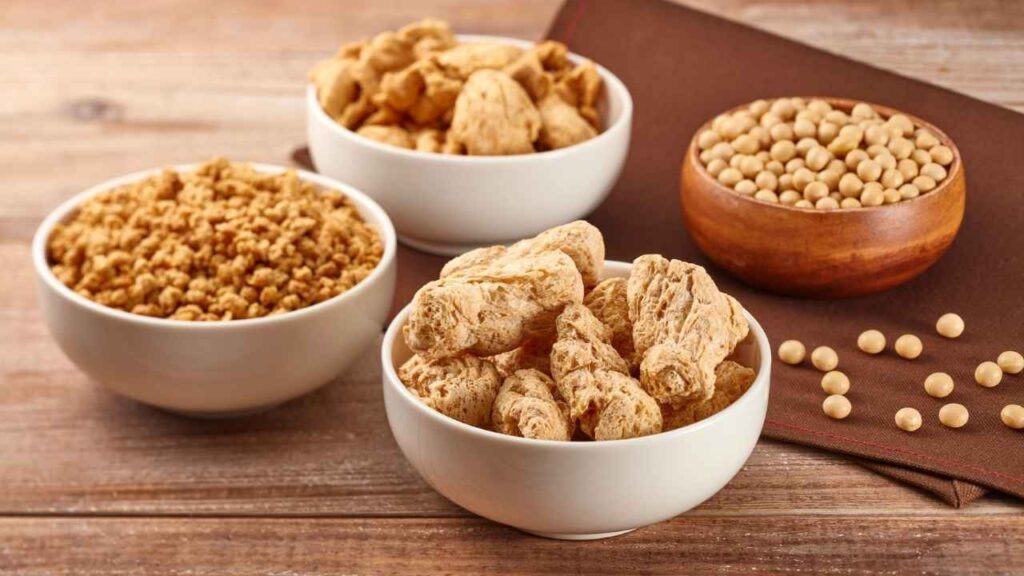
The Superstars of Complete Plant-Based Protein Sources
Some plants naturally deliver all essential amino acids in perfect ratios. This makes them super valuable plant-based protein sources for anyone who wants to keep things simple.
Quinoa is probably the most famous complete plant protein out there. This ancient grain from South America has all nine essential amino acids in great proportions. One cooked cup gives you about 8 grams of protein plus fiber, iron, and magnesium. Quinoa tastes mildly nutty. It works in basically everything – breakfast bowls, salads, dinner sides, you name it.
Hemp seeds are tiny protein powerhouses. Just three tablespoons pack about 10 grams of complete protein. They also give you those omega-3 fats most people don’t get enough of. Toss them on smoothies, yogurt, or salads for instant protein. They won’t mess with the taste much.
Chia seeds give you another complete protein option. They come in smaller doses per serving though. Two tablespoons have about 4 grams of protein along with fiber and minerals. Mix them with liquid and they turn into this gel-like stuff. This is perfect for puddings and overnight oats.
Spirulina might sound weird. But this blue-green algae is ridiculously protein-dense. One tablespoon delivers about 4 grams of complete protein. It tastes pretty intense though. Most people blend it into smoothies instead of eating it straight.
Buckwheat deserves way more love as a complete protein source. Despite the name, it’s not related to wheat and doesn’t have gluten. One cup of cooked buckwheat groats gives you about 6 grams of complete protein. It also provides some resistant starch that feeds the good bacteria in your gut.
Smart Ways to Mix Plant-Based Protein Sources
Complete plant proteins are convenient. But you can easily create complete amino acid profiles by mixing different plant-based protein sources throughout your day. This actually gives you more variety. It can also save money compared to only eating complete proteins.
The combo that nutrition folks love involves pairing beans with grains. Plant-based protein sources like beans, lentils, and peas are usually low in methionine. But they’re loaded with lysine. Grains like rice, wheat, and oats have plenty of methionine but less lysine. Put them together and you get a complete amino acid profile. It’s just as good as any animal protein.
Rice and beans are the classic example. They show up in food all over the world. Think Latin American gallo pinto or Middle Eastern mujadara. These combinations happened naturally in cultures that ate mostly plants. This proves that people figured out good nutrition way before scientists explained why it worked.
Nuts and seeds team up great with beans. This creates another path to complete proteins. Hummus with tahini is perfect. Chickpeas plus sesame seed paste gives you all essential amino acids. Same with peanut butter on whole grain bread. This creates complete protein that lots of us loved way before knowing the science behind it.
Plant-based protein sources like vegetables add seriously to your amino acid intake. This is especially true when you eat them with other plant proteins. People often forget about vegetables when talking protein. But stuff like broccoli, spinach, and asparagus provide good amounts of certain amino acids. These work perfectly with grains and beans.
Getting the Most from Your Plant Proteins
Getting plant-based protein sources into your body is just the first step. Making sure you actually absorb them is what really counts. Several things affect how well your body uses plant proteins. Knowing these tricks can make a huge difference.
Different plant-based protein sources digest differently. Beans are protein-rich but have compounds called lectins and phytic acid. These can mess with protein absorption. Soaking, sprouting, or fermenting these foods before cooking breaks down these compounds. This makes the protein easier to use.
How you cook matters more than you’d think. Gentle steaming or light sautéing keeps amino acids intact better than high-heat methods. Skip grilling or frying when possible. But you do need some cooking to break down tough plant fibers. This lets your digestive enzymes get to the proteins.
Eating plant-based protein sources with vitamin C-rich foods helps you absorb both proteins and iron better. Adding tomatoes to bean dishes works great. Try berries with quinoa bowls, or citrus with grain salads. This isn’t just about flavor. It’s about getting the most nutrition possible.
Spreading your protein intake throughout the day helps with muscle protein synthesis. Instead of cramming tons of plant protein into one meal, split it across three to four meals. This keeps amino acids available in your bloodstream steadily.
Chewing well might seem obvious, but it’s crucial for plant protein digestion. Plant-based protein sources often come wrapped in fiber. This needs to be broken down mechanically before your enzymes can get to the amino acids inside.
How Much You Actually Need and Making It Work
Figuring out how much protein you need from plant-based protein sources prevents both not getting enough and going overboard. The official recommendation is 0.8 grams of protein per kilogram of body weight for couch potatoes. But active people often need more.
Athletes and really active folks might need 1.2 to 2.0 grams per kilogram of body weight. This is totally doable with smart use of plant-based protein sources. A 70-kilogram active person needs roughly 84 to 140 grams of protein daily. This sounds scary until you break it down into actual meals and snacks.
Breakfast could be a smoothie with hemp seeds, chia seeds, and plant milk. This gives you about 15-20 grams of protein. Lunch might be a quinoa bowl with chickpeas and veggies. This adds another 20-25 grams. Dinner could be lentil curry with brown rice. This throws in 25-30 grams more. Snacks like nuts, seeds, or hummus easily fill any gaps.
Making a weekly meal plan around different plant-based protein sources means you naturally rotate through different amino acid profiles. Monday might focus on beans. Tuesday could highlight quinoa and hemp seeds. Wednesday might feature nuts and whole grains, and so on.
Meal prep becomes super helpful when working with plant-based protein sources. Cooking big batches of quinoa, lentils, and chickpeas at the start of each week gives you protein foundations for multiple meals. These cooked proteins keep well in the fridge and freezer. This makes healthy choices easy during crazy weekdays.
Busting Myths About Plant Proteins
Lots of wrong ideas about plant-based protein sources stick around. This happens despite tons of scientific evidence showing they work great. Let’s tackle the biggest myths with actual facts from real research.
The myth that plant proteins are « second-rate » comes from old protein quality tests. These favored animal protein patterns. Modern protein quality measures like the Digestible Indispensable Amino Acid Score show something different. Many plant-based protein sources score just as well as animal proteins. This happens when you eat a variety of them.
Another stubborn myth says plant proteins can’t support muscle building or athletic performance. Elite athletes in every sport now thrive on plant-based diets. Research shows the same muscle protein synthesis rates. This happens when you meet total protein and calorie needs through plant-based protein sources.
The idea that you have to combine specific proteins in every single meal has been totally debunked. Your body keeps amino acid pools all day long. This makes the timing of different plant-based protein sources way less important than people used to think. Focus on variety over days and weeks instead of perfecting every meal.
Some folks worry that plant-based protein sources require massive amounts to meet protein needs. Actually, protein density in plants often surprises people. Lentils give you more protein per calorie than many cuts of meat. Foods like hemp seeds and spirulina are among the most protein-packed foods anywhere.
The worry about anti-nutrients in plants messing with protein absorption has been way overblown. While compounds like phytic acid and lectins exist in some plant-based protein sources, proper prep methods handle most concerns. These same compounds often provide health benefits like antioxidant activity.
Making Plant Proteins Work for You
Your switch to or improvement of plant-based protein sources doesn’t need to be perfect from day one. Small, steady changes create lasting eating habits. These support your health goals while keeping meals fun and satisfying.
Start with plant-based protein sources you already like and build from there. Love peanut butter? Try other nut and seed butters. Into beans? Experiment with different types and ways to cook them. Sticking with familiar stuff helps make dietary changes successful.
Try protein-rich whole foods before jumping straight to processed plant protein products. While protein powders and fake meat have their place, whole food plant-based protein sources give you more. You get fiber, minerals, and plant compounds that isolated proteins can’t match.
Keep things simple at first. Focus on one or two new plant-based protein sources each week. Overwhelming yourself with tons of unfamiliar foods often leads to giving up entirely. Getting good at this comes through practice and slowly expanding your protein options.
Connect with other people who are into plant-based protein sources. Online groups, local cooking classes, and social media communities provide endless recipe ideas. They also offer troubleshooting help and motivation when you’re not feeling it.
Remember that good nutrition is a long game, not a sprint. Some days you’ll nail your amino acid profiles perfectly. Other days you’ll miss the mark. Your body bounces back well. This is especially true when your overall eating pattern emphasizes variety and whole foods. Trust the process, stay curious about new plant-based protein sources, and have fun. Discover just how tasty and filling plant proteins can be.
Who would’ve thought the secret to complete nutrition was sitting right there in your grocery store’s produce section this whole time?