

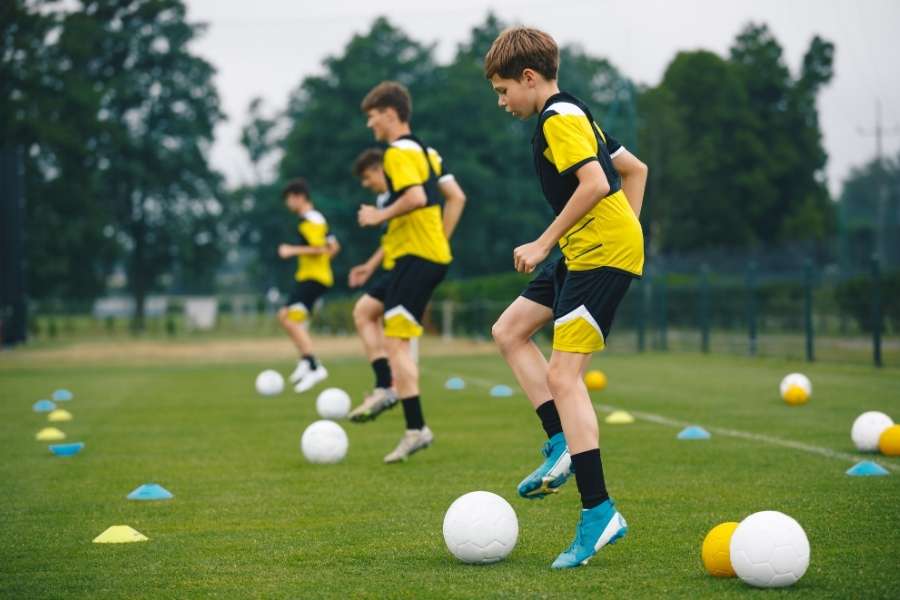
Youth Sports have exploded in popularity, but here’s the kicker: more kids are getting hurt than ever before. Walk into any emergency room on a Saturday afternoon and you’ll see what I mean. Young athletes hobbling in with twisted ankles, parents frantically explaining how their star player went down during the big game, and coaches wondering what they could have done differently.
Last weekend, I watched a 10-year-old pitcher get pulled from a game because his shoulder was « just a little sore. » That « little soreness » turned into months of physical therapy. Stories like this happen every single day across the country, and frankly, most of these injuries didn’t have to happen at all.
The numbers tell a brutal story. Over 3.5 million kids under 14 end up in emergency rooms each year because of sports injuries. These aren’t just scraped knees from sliding into home plate. We’re talking about torn ACLs in middle schoolers, stress fractures in 12-year-old runners, and concussions that sideline promising young athletes for months.
Your kid’s body isn’t just a miniature adult body. Growing bones, developing muscles, and still-forming coordination create a perfect storm of vulnerability. That’s exactly why cookie-cutter safety approaches fall flat. Young athletes need protection strategies built specifically for their unique challenges, not watered-down versions of what works for college players.
What’s Really Happening in Youth Sports Injuries
Youth Sports injuries split into two camps that couldn’t be more different. Acute sports injuries happen fast and loud. Think of that sickening crack when a quarterback’s leg bends the wrong way during a tackle, or the collective gasp when a basketball player crumples after landing awkwardly from a rebound.
Then you have the silent killers: overuse injuries in youth athletics. These sneak up like ninjas, building damage over weeks and months until something finally gives way. Picture a young tennis player whose elbow starts aching after practice. Mom gives her some ibuprofen, coach suggests she « play through it, » and six months later she needs surgery because nobody recognized the warning signs.
Here’s what really gets me fired up about this whole situation. Shoulder injuries in young athletes are skyrocketing in sports like swimming and baseball, yet most programs still push kids to train like mini professionals. A 13-year-old pitcher throwing 200 pitches in a weekend tournament? That’s not building character, that’s building a future orthopedic patient.
Different ages bring completely different challenges. Elementary age sports safety means making sure kids don’t run into each other chasing the ball (yes, this actually requires planning). Middle schoolers deal with growth spurts that make them temporarily clumsy as their brains try to figure out where their new longer limbs are in space. High school athletes face the triple whammy of intense competition, college recruiting pressure, and bodies that are still developing even though they look like adults.

What Actually Works for Youth Sports Prevention
Comprehensive youth sports injury prevention starts with ditching the « no pain, no gain » mentality that belongs in the Stone Age. Smart conditioning programs work with developing bodies instead of against them. This means exercises that build functional strength without putting unnecessary stress on growth plates or joints that aren’t fully mature yet.
Strength training for young athletes freaks out a lot of parents who worry their kids will get « bulky » or stunt their growth. Here’s the truth: properly supervised resistance training actually protects kids from injury while making them better athletes. The secret sauce? Focus on perfect form with lighter weights, teach movements they’ll actually use in their sport, and give growing bodies enough time to recover between sessions.
Flexibility work gets weird looks from tough-guy coaches, but tight muscles cause problems you wouldn’t believe. Kids grow so fast sometimes that their bones literally outpace their muscles and tendons, creating imbalances that scream « injury waiting to happen. » Dynamic warm-up routines fix these issues while getting nervous systems ready for action. Save the static stretching for after practice when muscles are warm and ready to lengthen.
Proper sports equipment for youth goes way beyond buying expensive cleats. A $300 helmet that doesn’t fit right won’t protect anyone. Shoulder pads that slide around during contact create more problems than they solve. Smart parents and coaches become equipment nerds, checking fit regularly and replacing gear before it fails when you need it most.
Teaching proper technique from day one prevents bad habits that become injury magnets later. Coaching education for injury prevention ensures instructors know the difference between « good enough » and « safe enough. » Because once a young athlete learns to land wrong or throw with poor mechanics, breaking those patterns becomes incredibly difficult.
Building Youth Sports Safety That Actually Works
Pre-participation physical exams catch problems before they become disasters. Smart doctors don’t just check heart rates and clear kids to play. They look for muscle imbalances, previous injuries that weren’t fully rehabbed, and risk factors that need attention before the season starts.
Baseline concussion testing has become non-negotiable in contact sports. When (not if) a head injury happens, having objective data about how that athlete’s brain normally functions makes return-to-play decisions much clearer. No more guessing games or « he seems fine » judgments that put kids at risk.
Environmental safety sounds boring until your star player tears an ACL stepping in a hole that maintenance missed. Playing surface maintenance prevents countless injuries through simple attention to details. Weather policies protect athletes from heat stroke, lightning, and other dangers that kill young athletes every year.
Emergency action plans separate prepared organizations from those hoping nothing bad happens. Every coach needs to know exactly who to call, where the nearest phone is, and how to communicate with paramedics who might not know where your practice field is located. Regular drills make sure everyone knows their role when seconds count.
Teaching proper hydration and nutrition gives young athletes fuel for peak performance while preventing heat illness that sends kids to hospitals. Climate change means more extreme temperatures, making this knowledge literally life-saving information.
Sport-Specific Safety in Youth Sports
Contact sports injury prevention requires specialized approaches because collision injuries follow different rules. Football programs teaching proper tackling technique reduce concussions and neck injuries significantly. Soccer heading safety becomes critical as research reveals the cumulative effects of repeated head impacts during practice.
Basketball injury prevention focuses heavily on teaching kids how to land safely after jumping for rebounds or shots. Ankle sprains happen when players come down on each other’s feet, but proper landing mechanics and court awareness training cut these injuries dramatically.
Baseball and softball safety deals with unique risks from fastballs and repetitive throwing. Pitch count limits protect young arms from overuse damage, while proper protective equipment prevents serious injuries from wild pitches and line drives.
Swimming programs emphasize shoulder health through stroke refinement and targeted strength training. Pool safety protocols prevent drowning while proper diving instruction eliminates devastating spinal injuries from shallow water impacts.
Track and field injury prevention covers everything from distance running overuse to field event safety. Runners need gradual training progression that respects their body’s adaptation timeline, while throwers require rotational movement training that protects their spine and shoulders.
Getting Your Community Moving on Youth Sports Safety
Community sports safety initiatives work best when everyone pulls in the same direction. Schools, rec departments, travel teams, and medical providers need to coordinate their efforts instead of working in silos. Consistent safety messages and shared resources make everyone’s job easier.
Coach education programs make the biggest impact because coaches see athletes every single day. They spot fatigue, recognize pain patterns, and know when something just doesn’t look right. Training volunteer coaches in injury recognition and basic first aid creates an army of safety advocates throughout your community.
Parent involvement in sports safety extends protection beyond practice and game time. Parents who understand overuse warning signs, support proper recovery practices, and reinforce team safety messages create comprehensive protection networks around young athletes.
Medical partnerships bring professional expertise that volunteer coaches simply can’t match. Sports medicine for youth athletes requires specialized knowledge about growing bodies and developmental considerations. These professionals design safe return-to-play protocols and handle complex injury situations that are beyond typical first aid scope.
Facility upgrades often require significant investment but create lasting safety improvements. Better playing surfaces, improved lighting, and proper drainage prevent injuries year after year. Regular facility inspections catch hazards before they hurt someone.
Technology Revolution in Youth Sports Safety
Wearable devices now provide real-time feedback about athlete workload and fatigue levels. GPS tracking systems monitor training distances and intensity, helping prevent overuse injuries through objective load management instead of guesswork.
Video analysis software reveals movement flaws invisible during live action. Slow-motion replay helps coaches spot technique problems that increase injury risk, enabling corrections before bad habits become ingrained.
Concussion assessment apps standardize testing protocols for immediate post-injury evaluation. These tools remove subjective judgment from critical safety decisions while providing consistent diagnostic approaches.
Injury tracking databases help organizations identify trends and problem areas within their programs. Data-driven prevention focuses limited resources where they can achieve maximum impact.
Mobile communication keeps parents, coaches, and medical staff connected about athlete health status. Emergency notification systems rapidly alert appropriate personnel when serious injuries occur, potentially saving lives through faster response times.
Proving Youth Sports Prevention Programs Work
Injury surveillance systems track prevention program effectiveness through hard numbers. Organizations that consistently collect injury data can identify successful strategies and spot problems before they become trends.
Return-to-play tracking measures both injury prevention success and rehabilitation quality. Programs that keep athletes healthy and get injured players back safely demonstrate comprehensive excellence.
Athlete satisfaction surveys capture participant perspectives on safety measures and program quality. Young athletes often provide insights about equipment comfort and training appropriateness that adults miss completely.
Long-term health outcomes represent the ultimate prevention program report card. Following athletes into adulthood reveals whether youth programs successfully prevented chronic problems that might not surface for years.
Cost-effectiveness analyses help cash-strapped organizations allocate resources toward prevention strategies that deliver maximum bang for the buck. Preventing one serious injury typically costs far less than treating it, making prevention programs smart financial investments.
Here’s the bottom line: keeping young athletes safe doesn’t require rocket science, but it does demand commitment, coordination, and common sense. Youth Sports should build character, create memories, and develop lifelong fitness habits without destroying young bodies in the process. The tools and knowledge exist to make this happen, but only if communities decide that prevention matters more than trophies. What’s stopping your local program from making safety the top priority?
